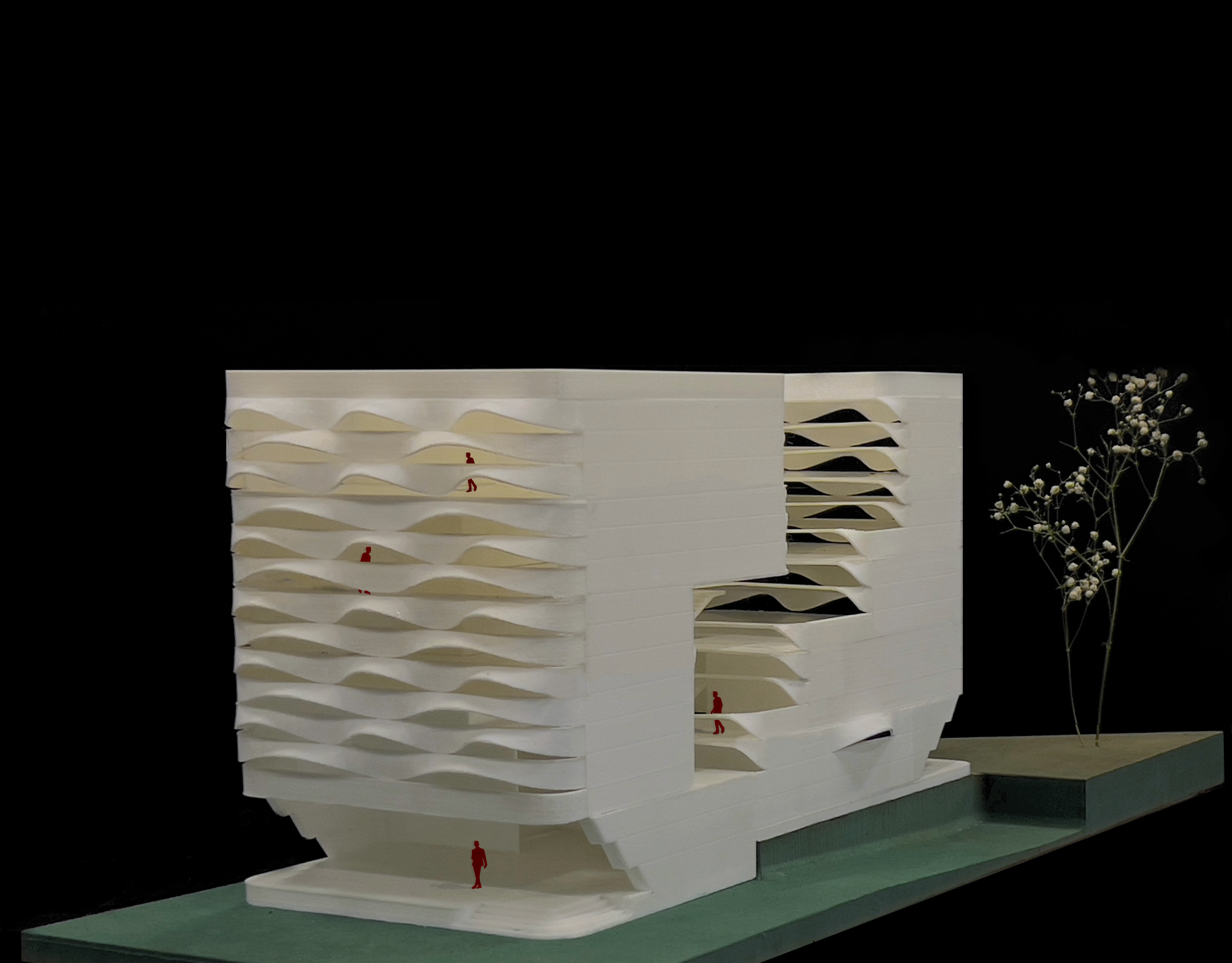
Reclaiming cultural identity through agroforestry: Tradition, ecology, and resilient futures.
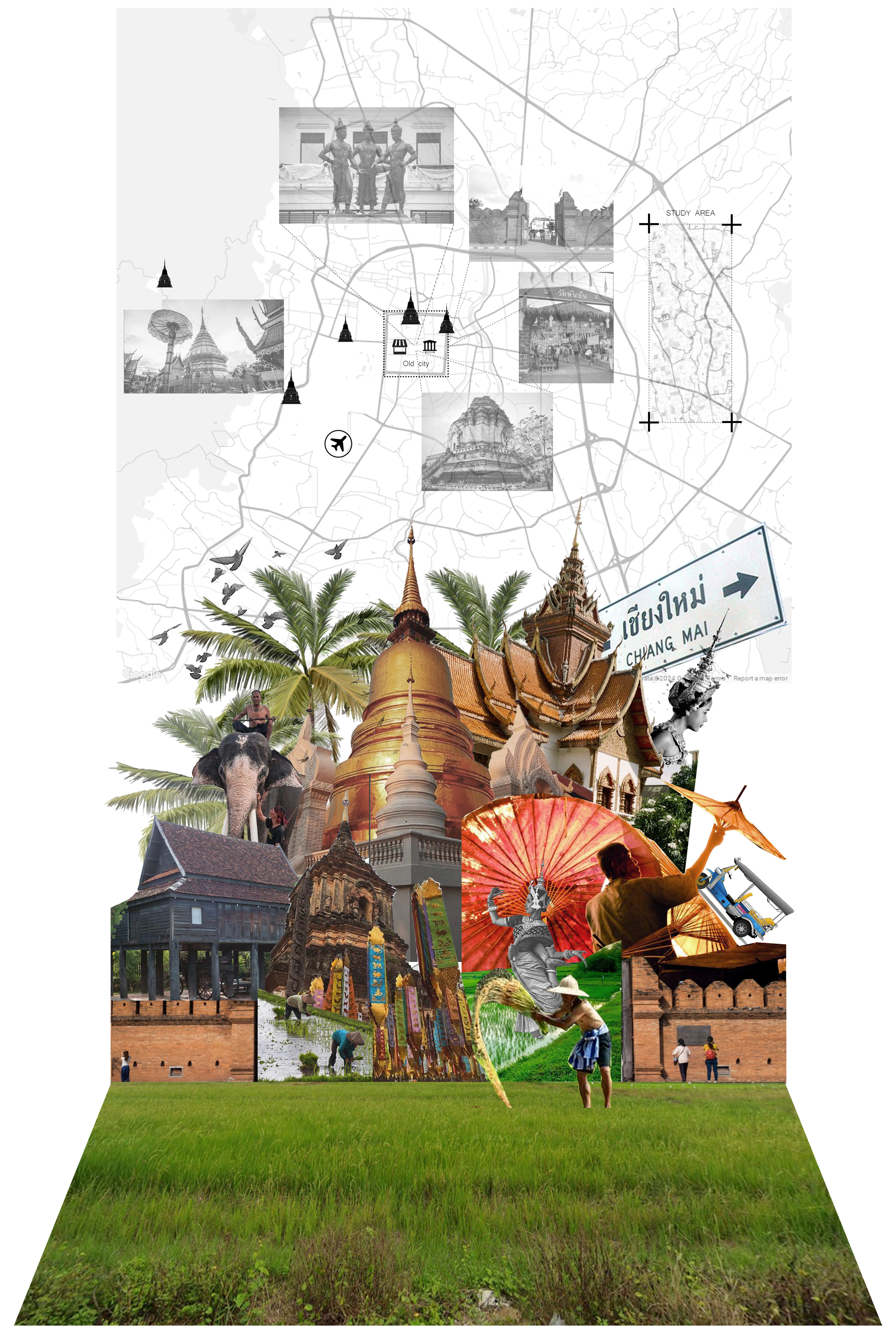
Cultural mapping
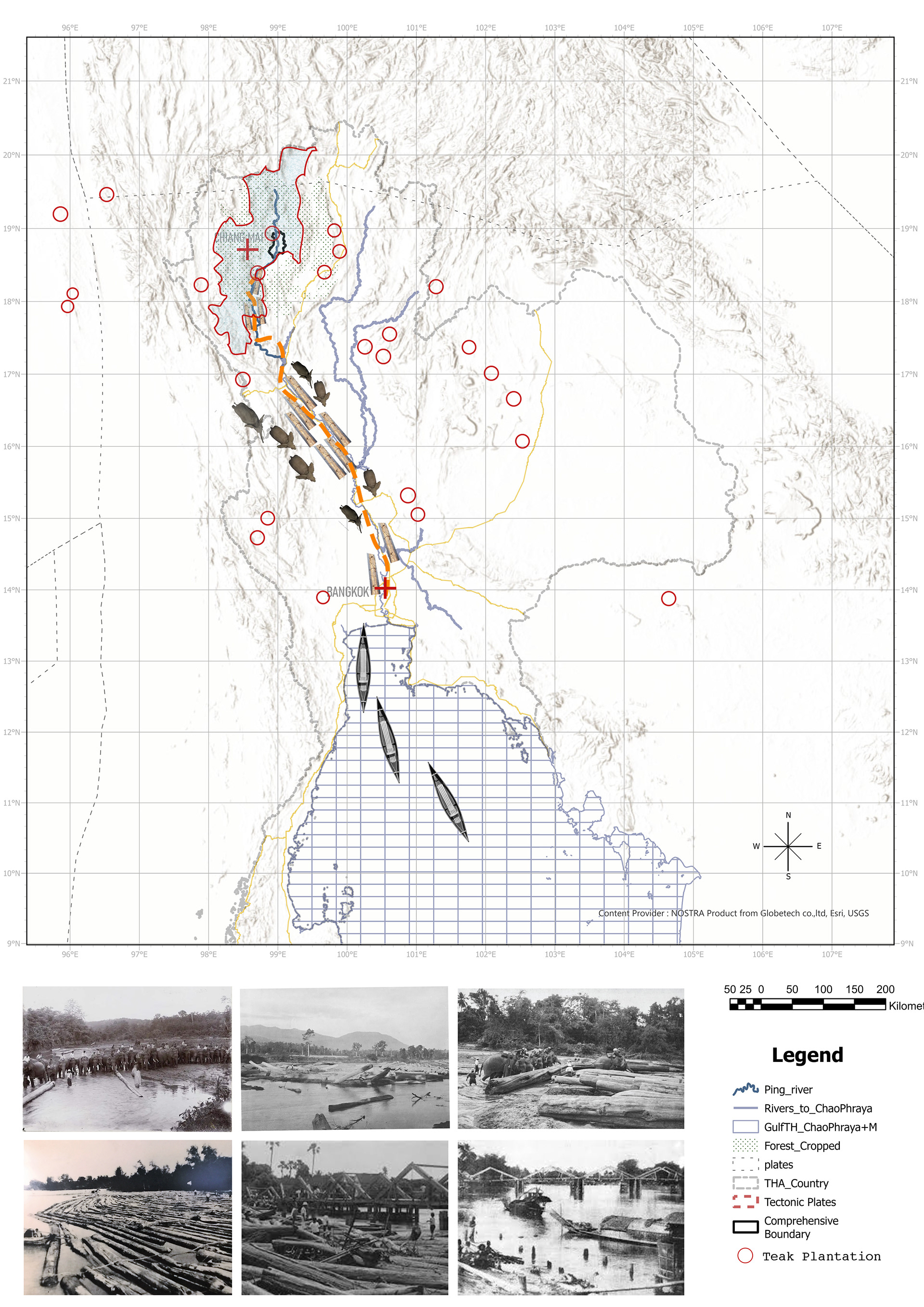
Significance of wood in the region
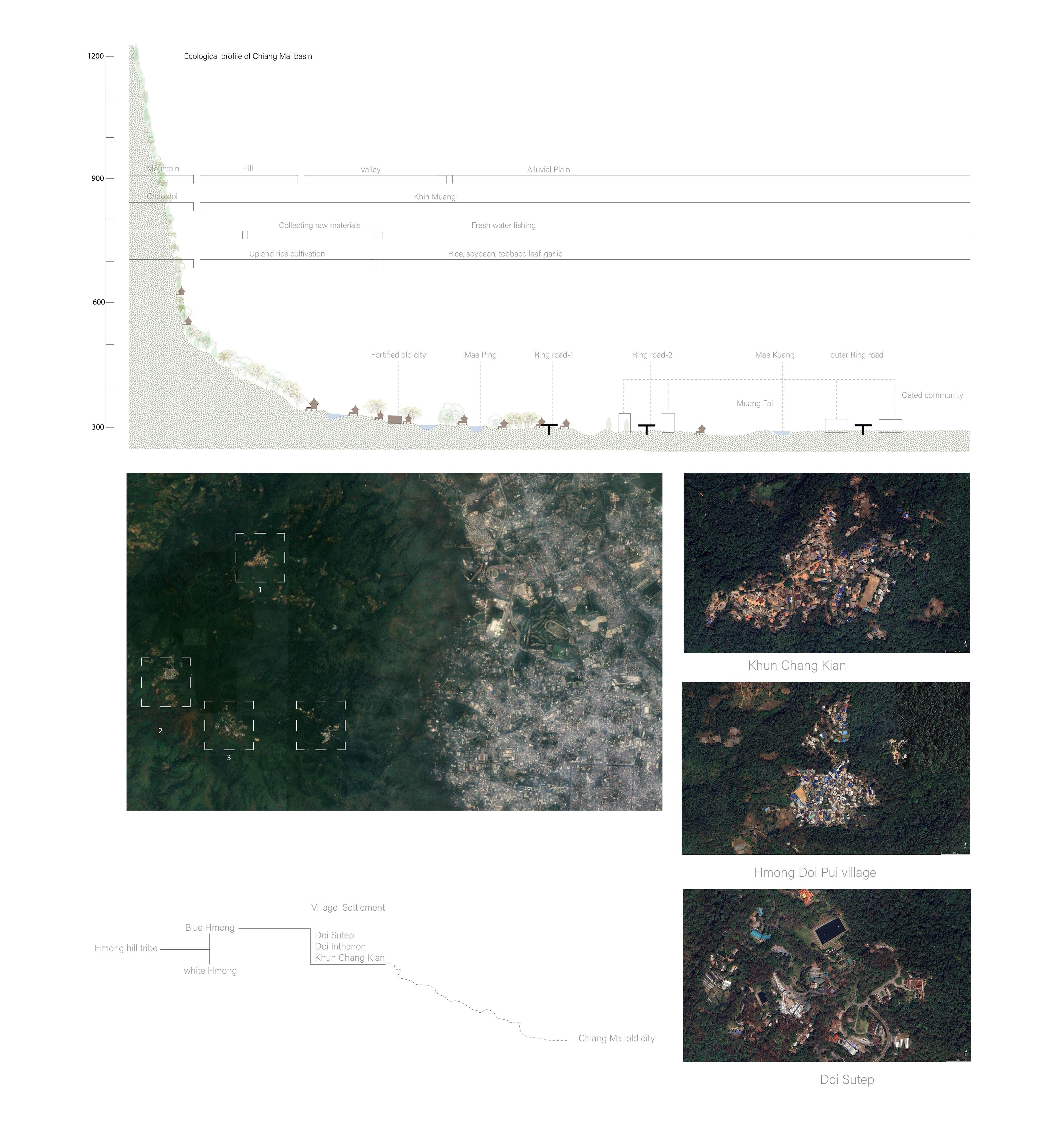
Ecological profile of Chiang Mai
Chiang Mai’s evolving landscape reflects both challenges and resilience. Once defined by its forests, the region balanced human settlement with ecological harmony. In this altered landscape, urban development imposes new architectural typologies such as row housing and gated communities that are incompatible with the cultural ethos of the land.
“Urbanization has displaced many local communities, leading to the emergence of abandoned buildings and unfinished construction projects, which have become symbolic ruins of failed progress”. These modern interventions feel alien in a land historically shaped by the rhythms of agriculture and the rituals of community.
The project explores the coexistence of forests and utilitarian spaces, focusing on how forests can be re-imagined as places of culture, economy, and community. It centers on timber forestry, emphasizing its cultural significance and economic potential. The project aims to cultivate timber as an agroforest, season it using reclaimed water, craft it in dedicated workshop spaces, recycle waste, and sell the products in a marketplace.
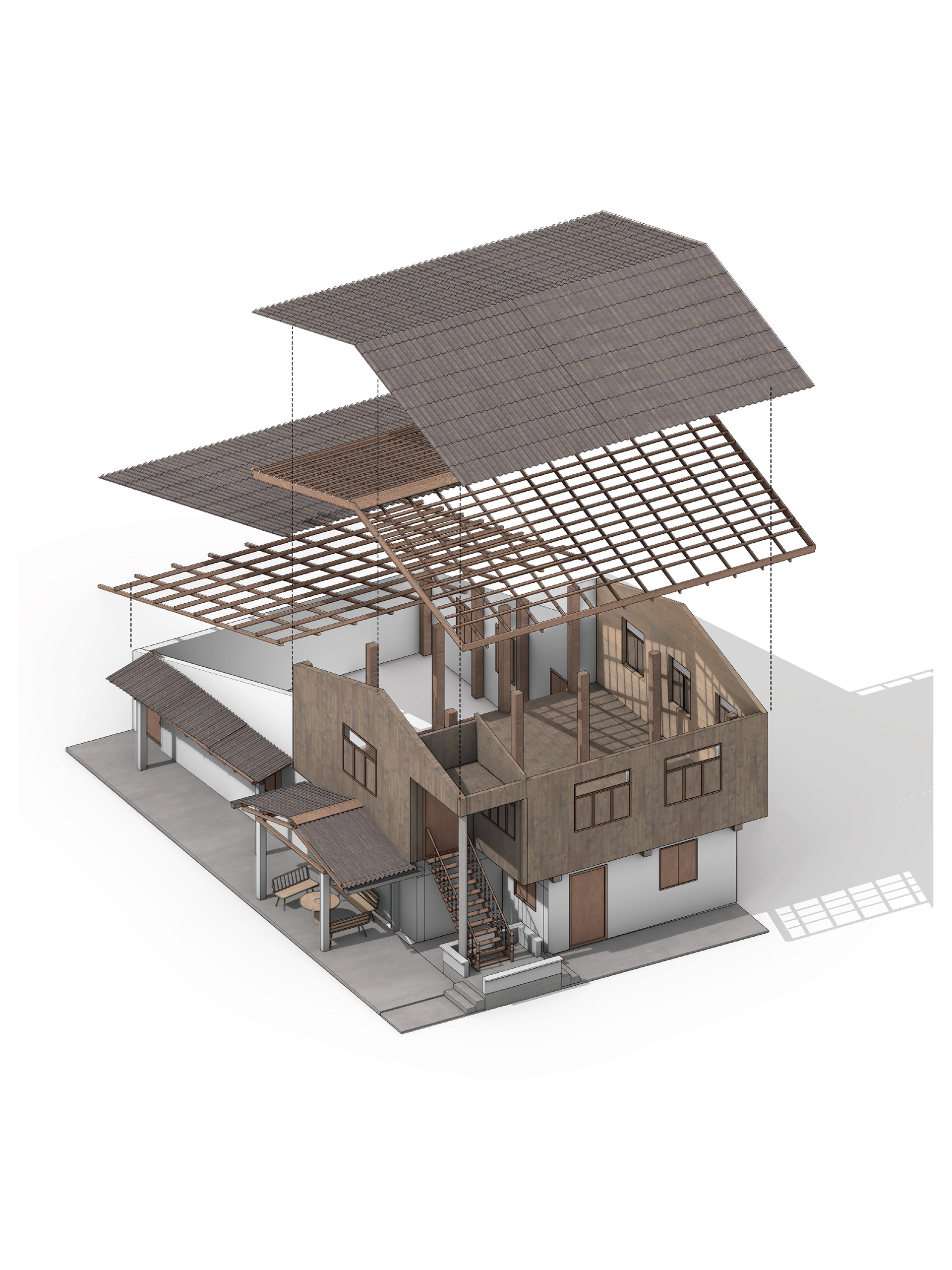
Exploded joinery of traditional Chiang Mai houses
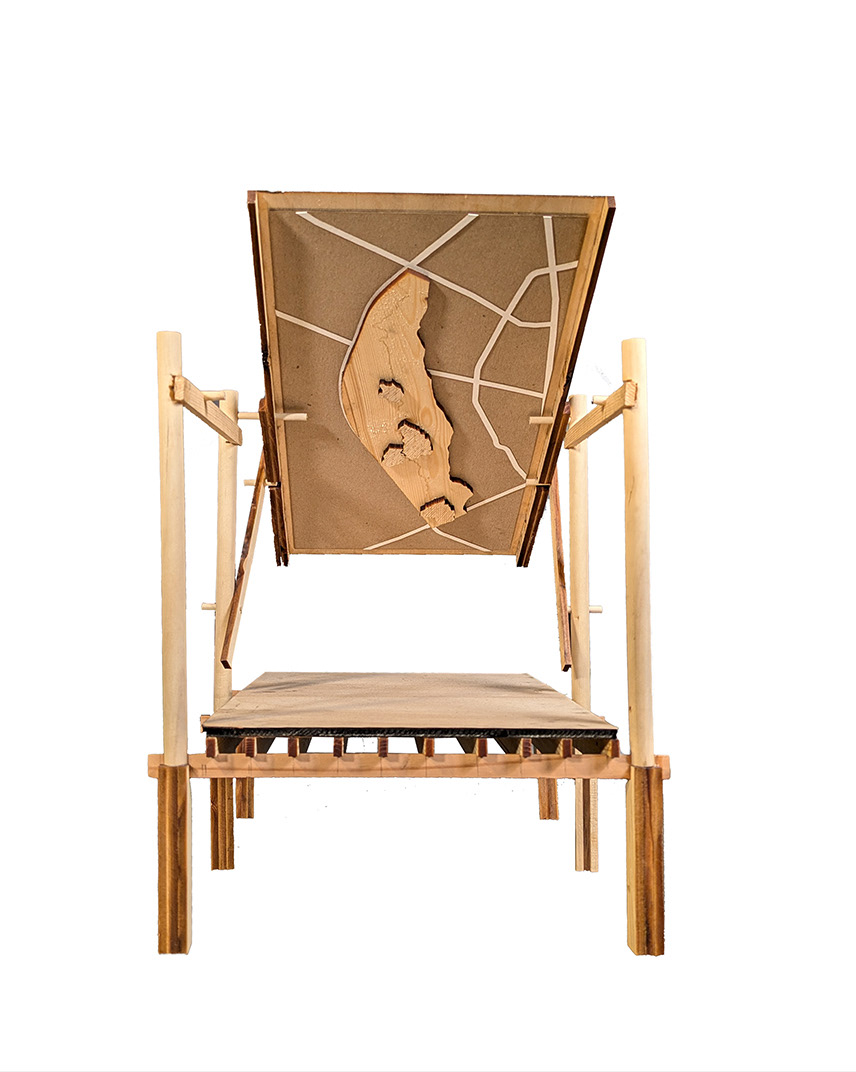
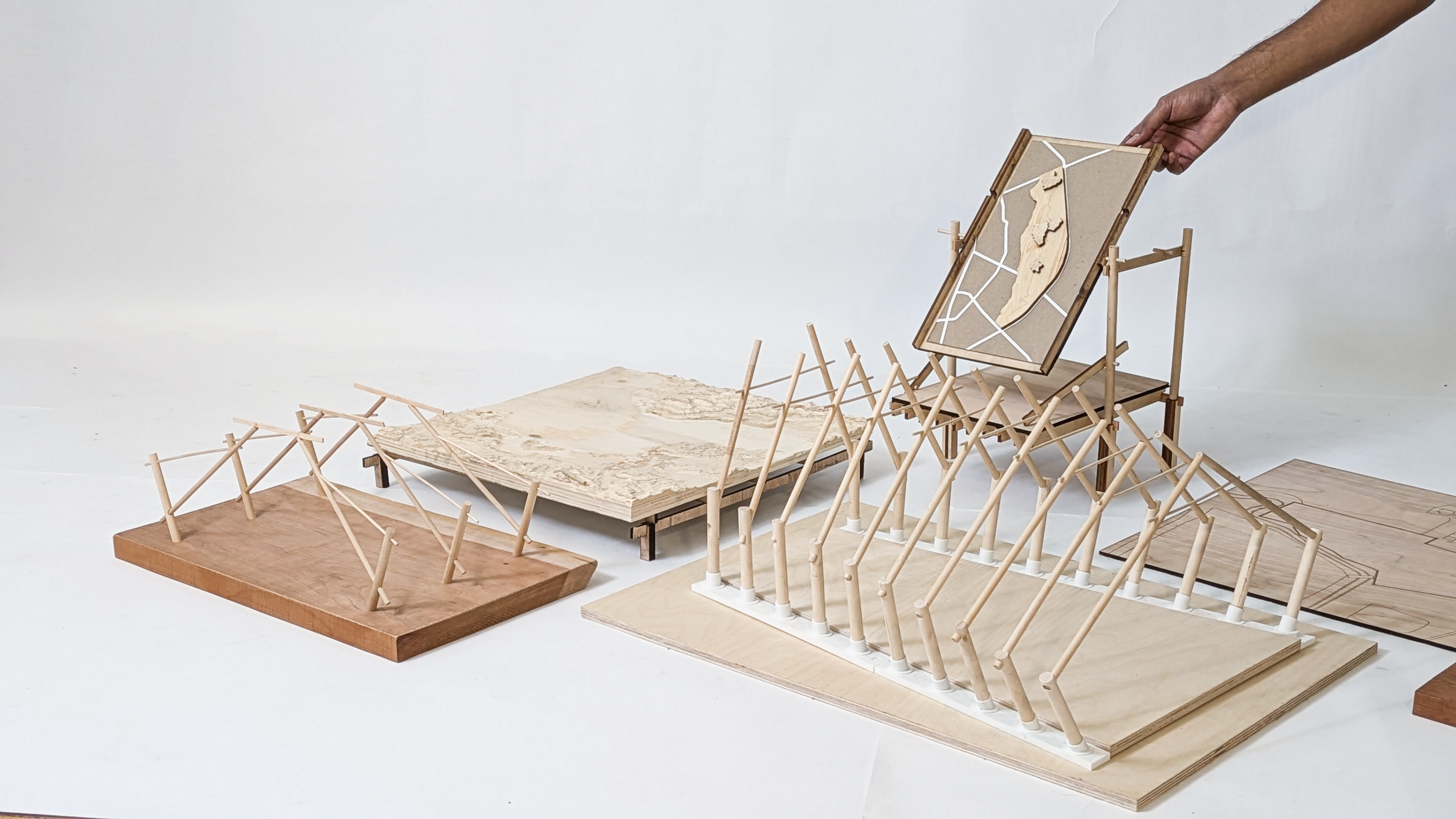
Site model inspired from traditional joinery detail
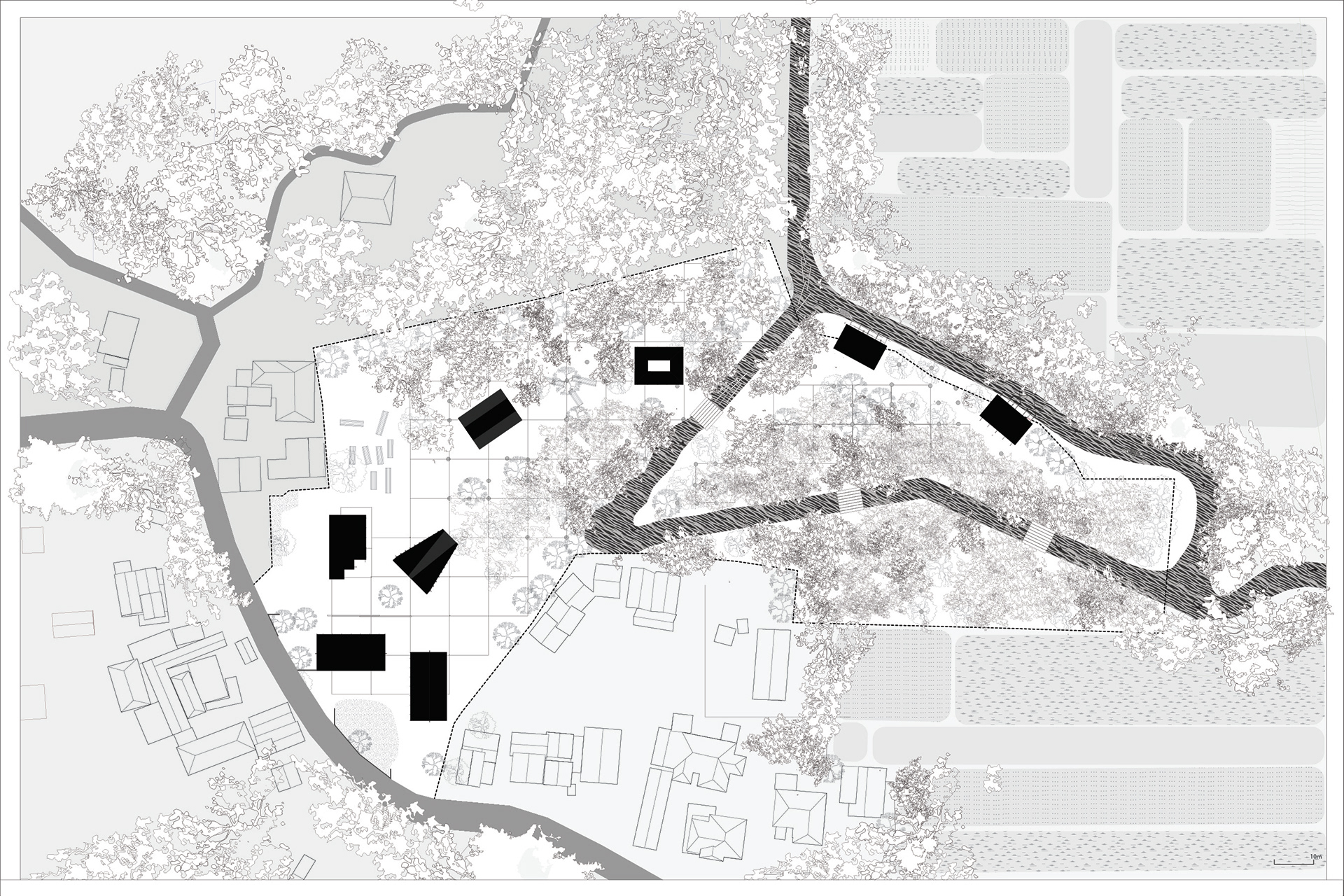
Site Plan
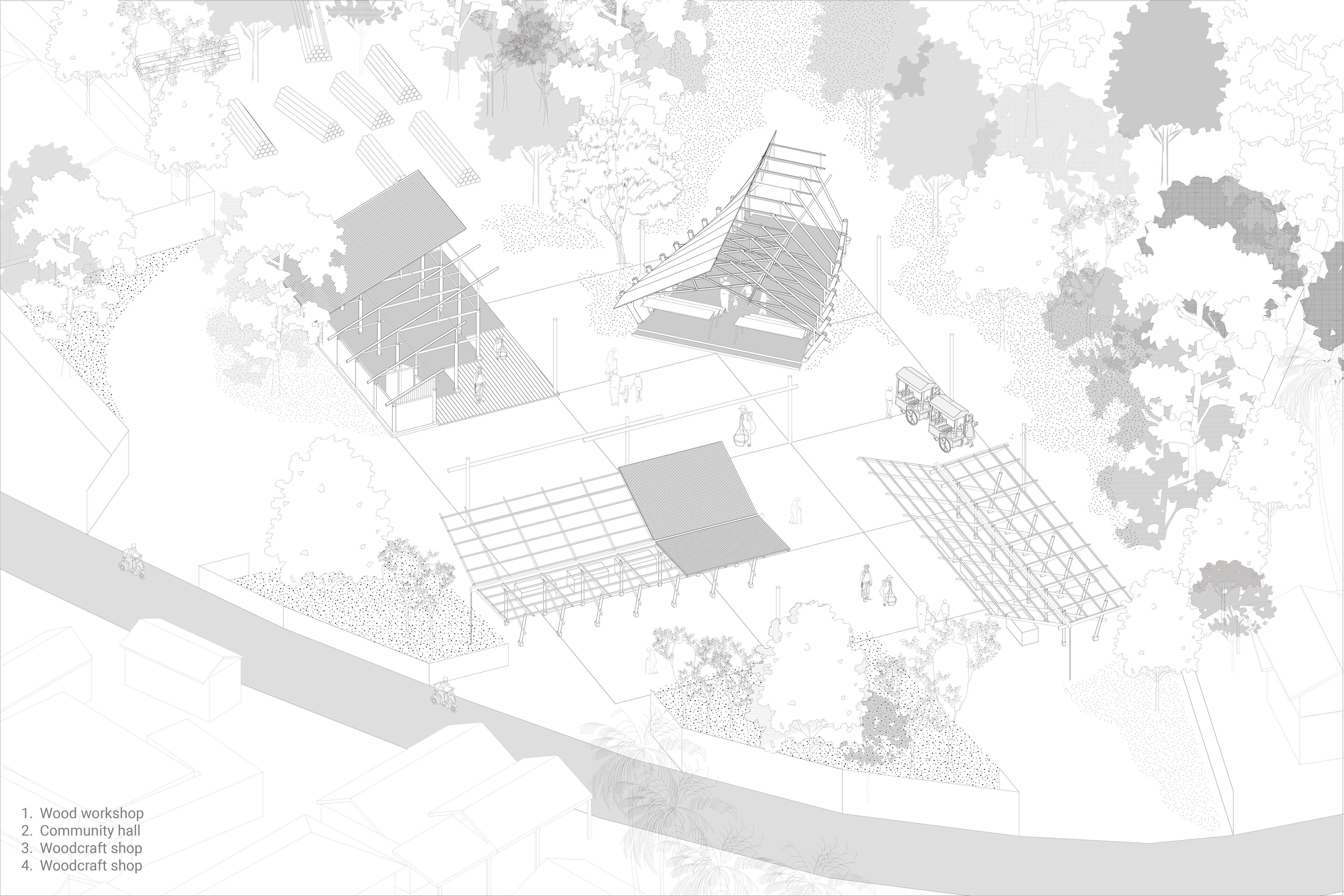
Isometric view of community space
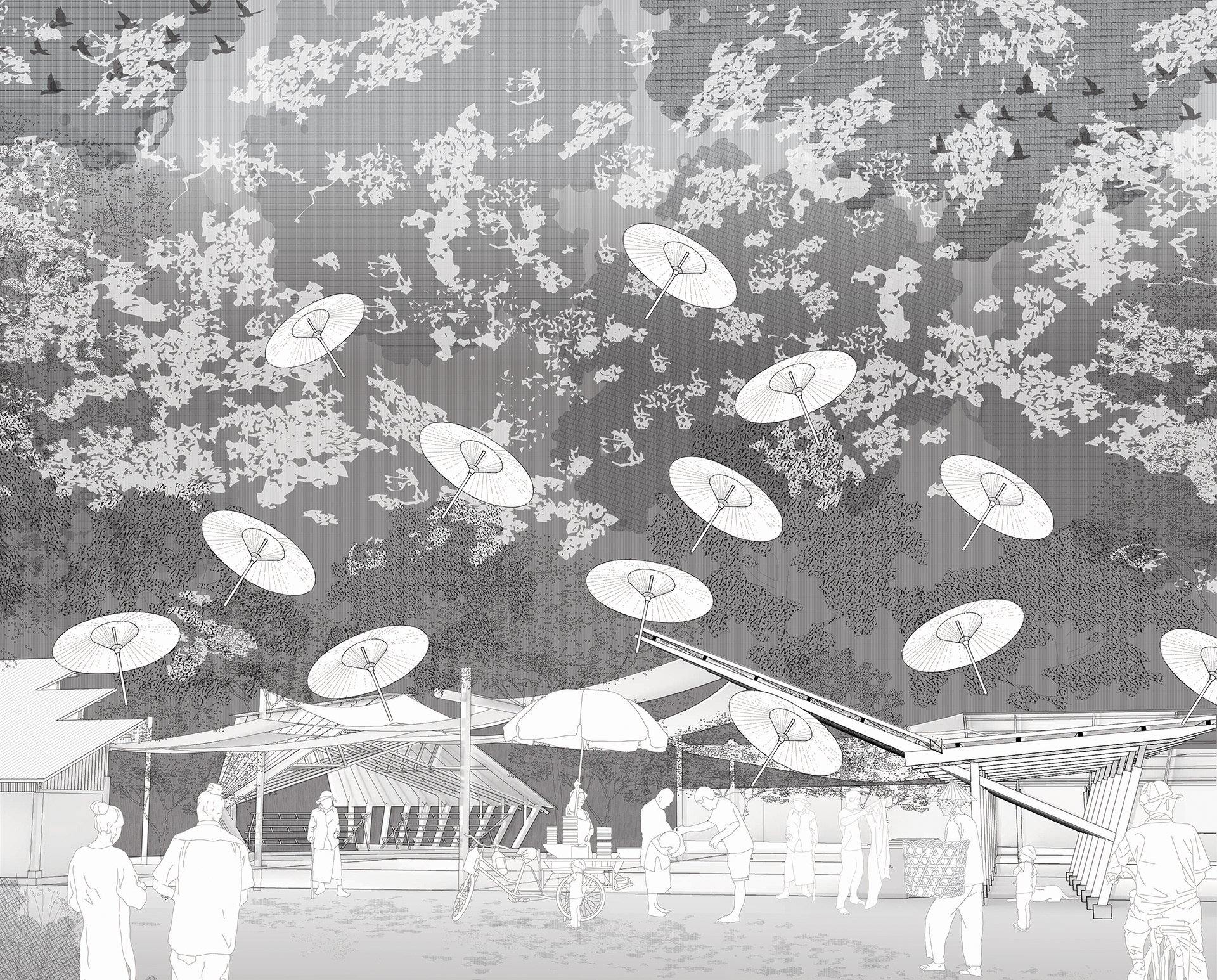
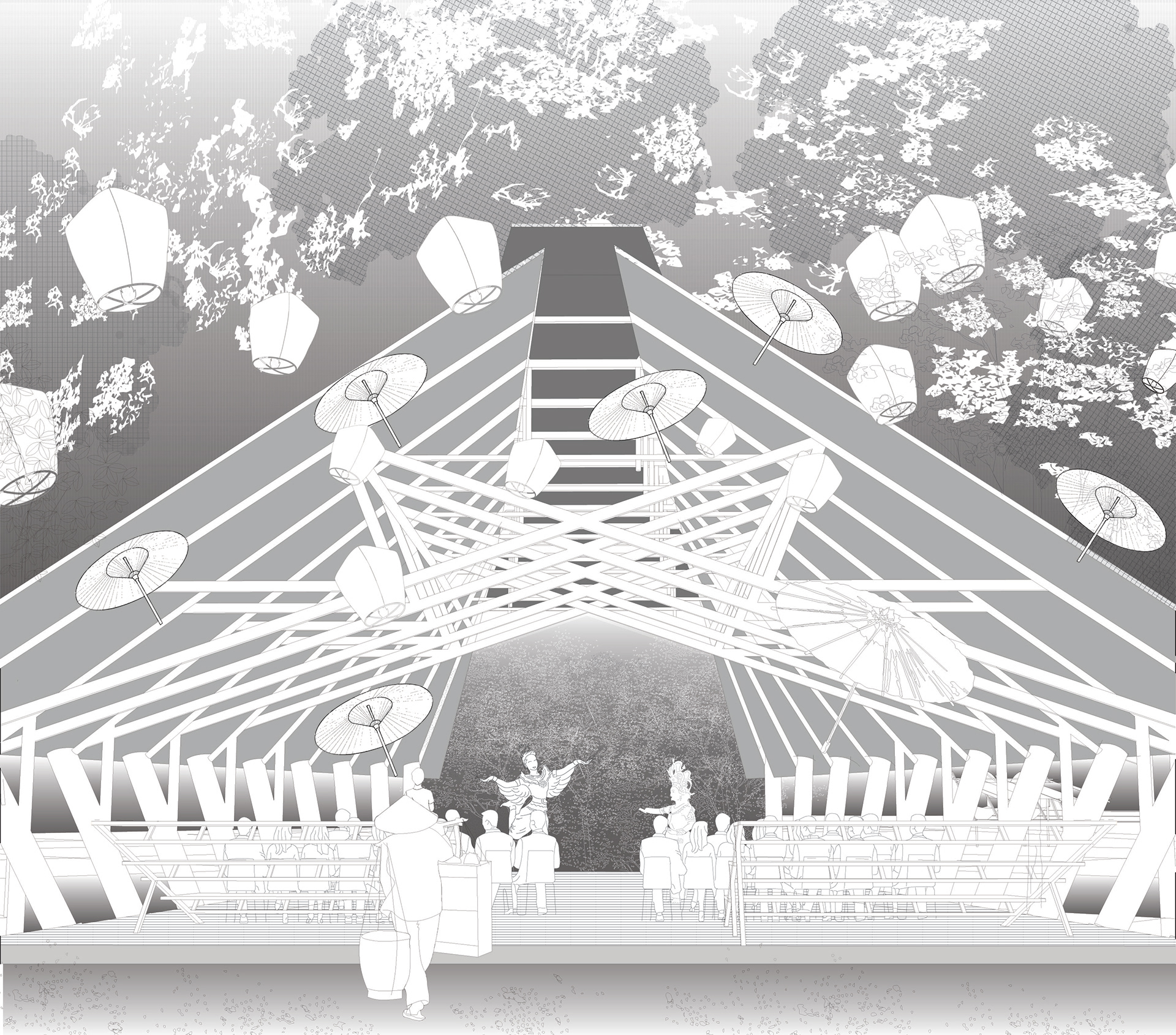
Community Hall
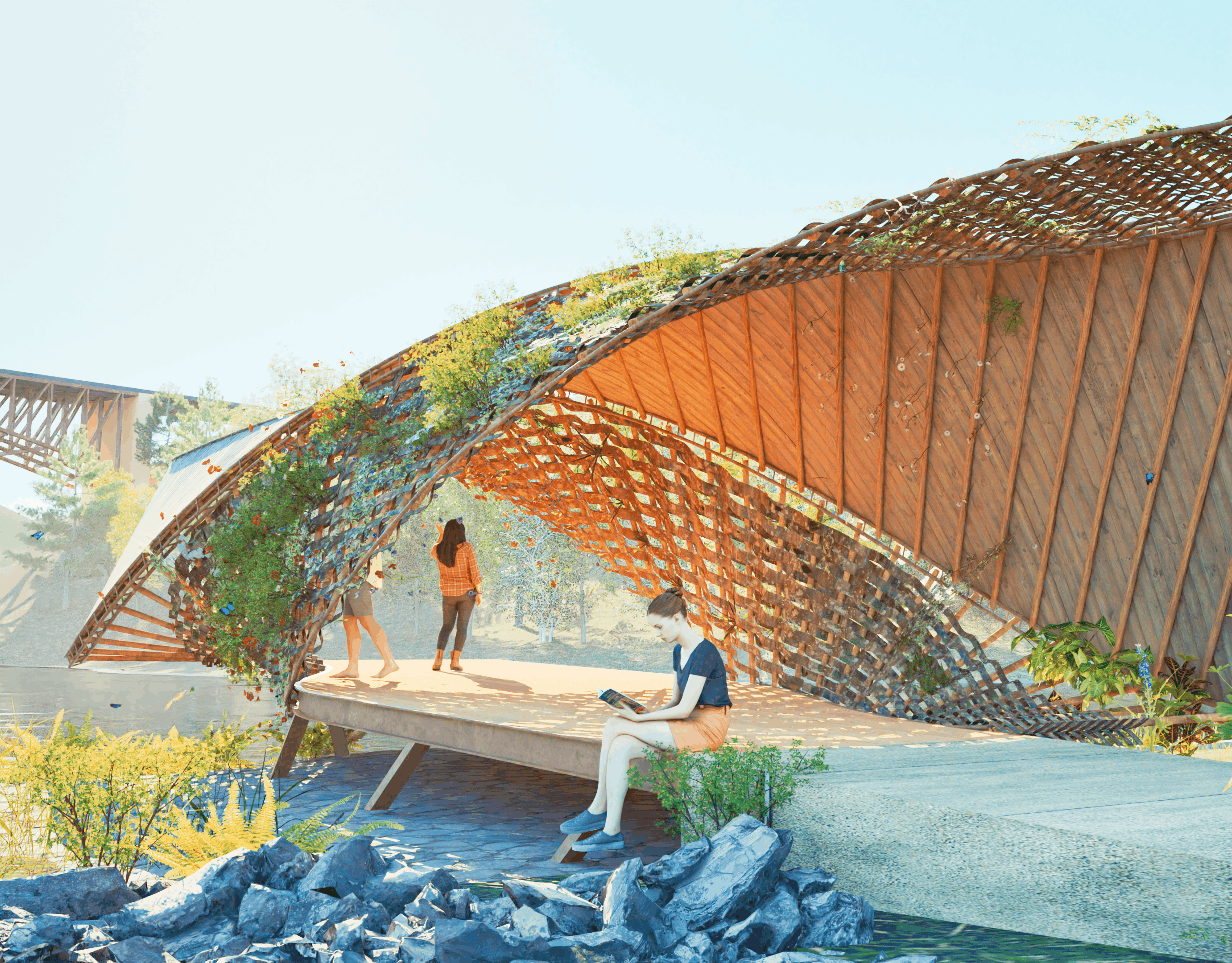
Set against the backdrop of towering trees, the community hall exists as a fluid, open-ended space that adapts to the rhythms of the village During cultural festivals and gatherings, the community hall becomes an open-air theater, where the trees serve as a natural stage backdrop for traditional dance performances The community hall is defined not by its physical boundaries but by the life it accommodates. It is a place of continuity and change, deeply rooted in tradition yet open to new possibilities
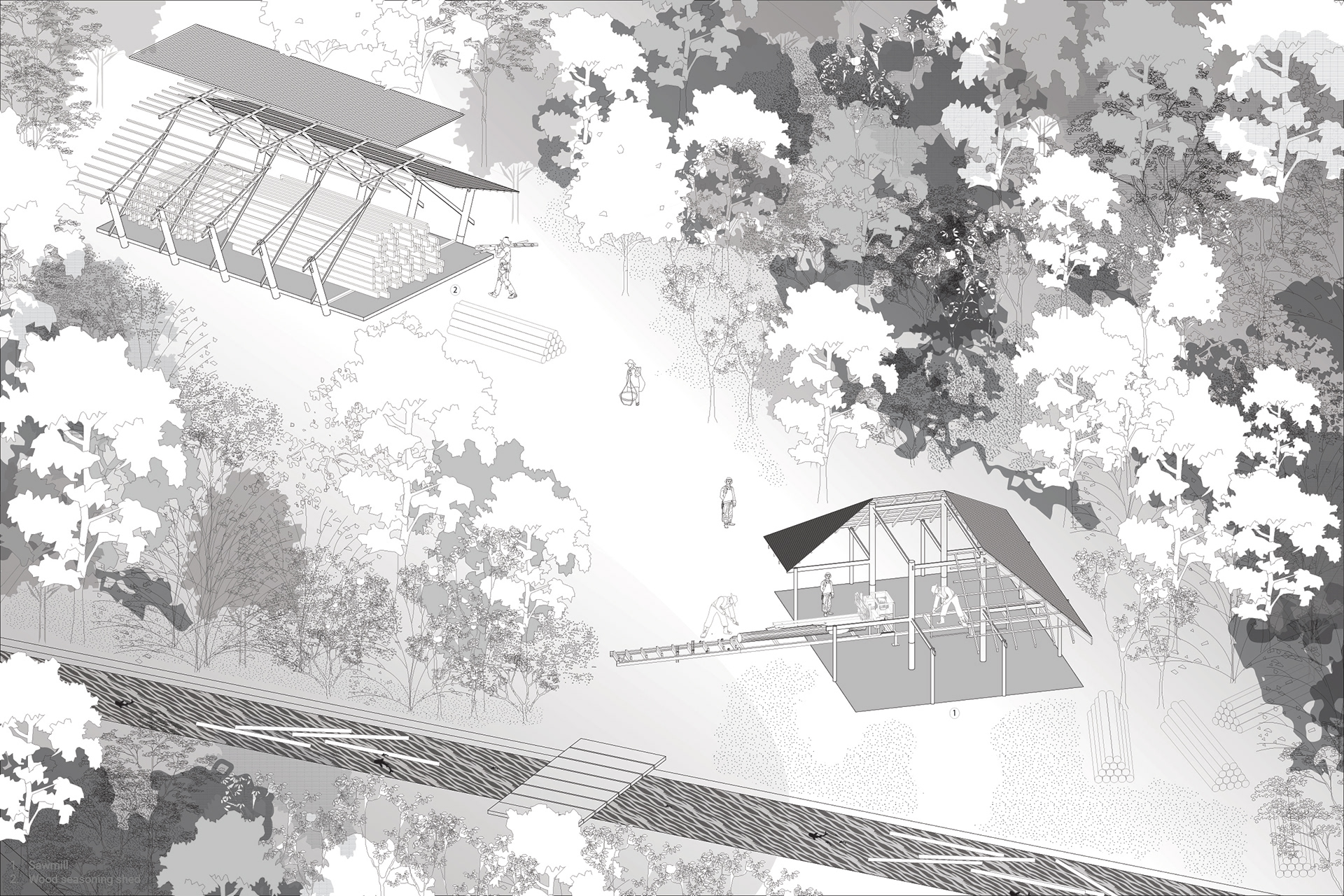
Isometric view of wood workshop

Site section